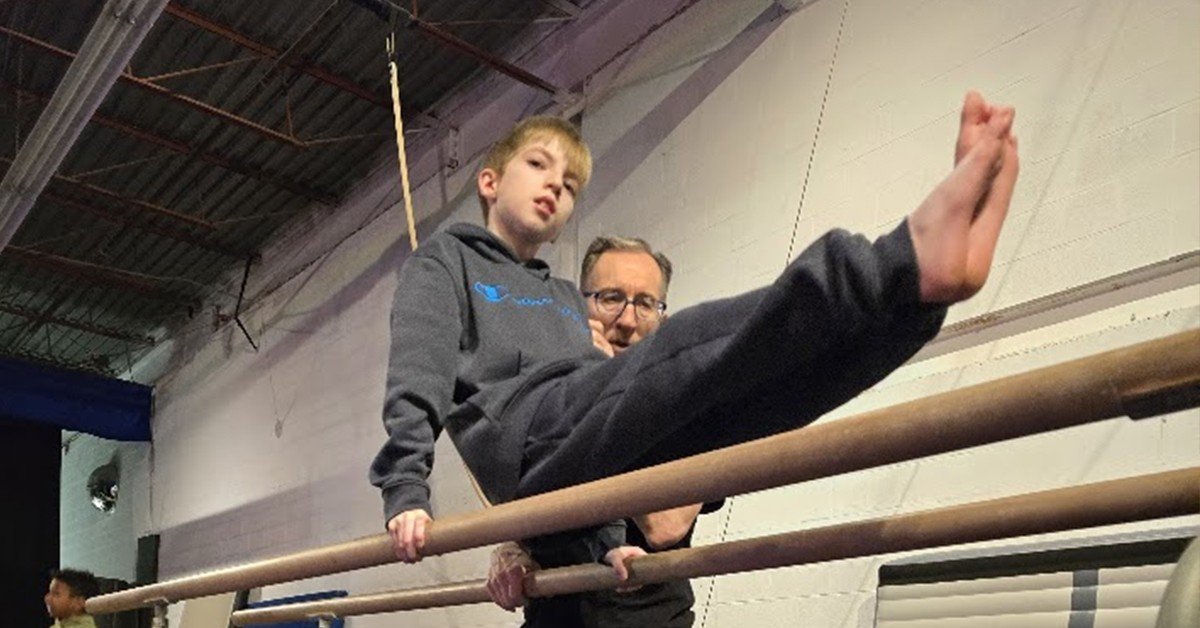
Physical preparedness involves more than being strong or fast. A person also needs balance, coordination, mobility, reaction ability, spatial awareness, and decision-making to use physical strength effectively. Self Defense Classes Pickering can develop these qualities through structured movement, defensive awareness, controlled drills, and progressive conditioning.
Athletic performance training follows a similar principle. Athletes need to produce and absorb force, accelerate, decelerate, change direction, maintain body control, and respond to changing information. Although self-defense and sports performance have different objectives, both depend on efficient, coordinated movement.
The most effective training develops these qualities together. Strength supports movement, balance supports force production, mobility supports usable positions, and awareness helps determine how and when a physical response should occur.
Strength Becomes Functional Through Movement
Strength becomes more useful when a participant can apply it while maintaining posture, balance, and coordination.
In athletic settings, this may involve acceleration, jumping, pushing, pulling, or changing direction. In defensive movement, strength can contribute to maintaining position, creating space, stabilizing the body, or controlling movement.
The trunk helps transfer force between the upper and lower body, while lower-body strength supports acceleration and deceleration. Upper-body strength contributes to pushing, pulling, bracing, and controlled support.
Functional strength should therefore not be measured only by how much weight someone can lift. Movement quality matters. For developing athletes, establishing sound movement patterns before continually increasing resistance or complexity provides a stronger foundation for long-term physical development.
Balance and Footwork Control Movement
Balance becomes particularly important when the body needs to produce or absorb force while the base of support changes.
Footwork determines how efficiently a participant can accelerate, stop, pivot, move laterally, or reposition. The feet, ankles, knees, hips, trunk, and visual system all contribute to maintaining control.
Athletic training may use acceleration, deceleration, lateral movement, and controlled landing drills. Self-defense training can use movement exercises that teach participants to maintain an appropriate stance, manage distance, and reposition without losing balance.
Deceleration deserves particular attention because stopping requires the body to absorb force progressively while maintaining alignment. Learning to control momentum is an important physical skill across sports and other movement activities.
Reaction Time Involves Perception and Decision-Making
Reaction ability is more than physical speed. A participant needs to perceive a stimulus, interpret what is happening, decide on an appropriate response, and then execute the movement.
Structured reaction drills can introduce visual, auditory, or movement-based cues. Athletes may respond to changes in direction, while self-defense participants can work through controlled scenarios involving awareness, repositioning, or an appropriate defensive response.
The objective is not simply faster reactions. It is controlled and appropriate responses.
This distinction matters in self-defense. A responsible program should teach that physical action is not always the first or best response. Awareness, creating distance, disengaging when possible, seeking help, and recognizing escalation are important parts of physical safety.
Self-Defense Begins with Awareness and Control
Physical technique is only one part of responsible self-defense education.
Situational awareness involves paying attention to surroundings, recognizing potentially concerning circumstances, maintaining appropriate personal space, and identifying opportunities to avoid escalation.
For younger participants, instruction should emphasize discipline, boundaries, controlled movement, confidence, and decision-making rather than unnecessary confrontation. The purpose is to develop competence and composure, not aggression.
Participants should also understand the context in which physical skills may or may not be appropriate. Knowing when to stop, disengage, or seek assistance is part of developing responsible defensive judgment.
This combination of awareness, physical capability, and judgment provides a more realistic foundation than treating self-defence as a collection of physical techniques alone.
Weapons Training Requires Discipline Before Complexity
Weapons Training Pickering requires a particularly strong emphasis on supervision, safety, control, and responsible instruction.
When training involves weapon-based equipment or movement, participants should establish foundational skills before progressing to greater complexity. These may include stance, balance, coordination, distance awareness, positioning, equipment control, and the ability to follow instructions consistently.
Complexity should increase only when sufficient control has been demonstrated. Adding speed or complexity too early can create unnecessary risk and reinforce poor movement habits.
A structured environment instead prioritizes precision, discipline, awareness of others, clear communication, and the ability to stop immediately when instructed.
Weapons-based training should also remain distinct from real-world confrontation. Controlled training can teach movement and discipline, but it cannot reproduce every variable of an unpredictable situation. Keeping that distinction clear reinforces the educational and safety-focused purpose of the training.
Athletic Performance Should Reflect Sport-Specific Demands
Sports Performance Training Pickering should not simply aim to make every athlete stronger, faster, or more conditioned.
Different sports place different demands on the body. A basketball player may need acceleration, deceleration, jumping, lateral movement, and rapid changes of direction. A soccer player may require sprint capacity, single-leg stability, repeated high-intensity efforts, and recovery between actions. A gymnast may need strength relative to body weight, mobility, balance, precision, and body control.
Effective performance training therefore considers the sport alongside the athlete's current development.
Individualization is equally important. Two athletes of the same age may have different technical abilities, training histories, strengths, mobility profiles, and recovery needs. Programming should reflect those differences rather than applying identical demands to every participant.
The goal is to develop physical qualities that complement sport-specific practice rather than simply accumulating fatigue.
Mobility and Stability Work Together
Having greater flexibility does not automatically produce better movement.
The more useful question is whether an athlete can control the range of motion required for a movement.
Ankle mobility can influence squatting, landing, acceleration, and changes of direction. Hip mobility can contribute to lunging, sprinting, and rotational movement, while shoulder mobility can affect overhead positions.
However, range of motion without adequate stability can be difficult to use efficiently. Athletes need sufficient mobility to reach appropriate positions and enough muscular control to maintain those positions while producing or absorbing force.
The objective is therefore usable mobility supported by strength and coordination rather than maximum flexibility.
Conditioning Should Support Movement Quality
Conditioning is not simply about creating fatigue.
An effective program considers intensity, duration, recovery, movement quality, and the physical demands placed on the participant. Athletic conditioning may involve repeated short efforts, aerobic development, sprint intervals, or change-of-direction work. Self-defense-oriented conditioning can also help participants maintain physical organization when effort levels rise.
Fatigue matters because technique can deteriorate as physical and cognitive demands increase. Balance may become less precise, posture may change, and reaction quality can decline.
Good conditioning therefore supports the ability to maintain movement quality under increasing demands rather than simply teaching participants to tolerate exhaustion.
Decision-Based Training Adds Controlled Variability
Repetition is valuable when learning a new movement, but real movement environments are rarely perfectly predictable.
Once basic mechanics are established, training can introduce controlled variability. A coach might change a movement direction, provide an unexpected cue, alter the starting position, or require a participant to choose between several responses.
This adds a perception-and-decision component while keeping the training environment controlled.
For athletes, it can help connect physical skills with changing sport situations. For self-defense participants, it can provide opportunities to practice awareness and decision-making without suggesting that a drill can completely reproduce a real-world encounter.
A useful progression is to establish movement quality first and then gradually increase the amount of information the participant must process while moving.
Progression Should Follow Technical Readiness
Progression should not be based solely on age, enthusiasm, or the desire to learn an advanced skill.
Participants need appropriate prerequisites, including sufficient strength, balance, mobility, coordination, technical understanding, and the ability to follow instructions consistently.
Once those foundations are established, training can gradually increase variables such as:
- Movement complexity
- Resistance
- Speed
- Range of motion
- Coordination demands
- Decision-making demands
These variables do not all need to increase simultaneously.
This is particularly important for younger participants because children of the same age can differ considerably in physical development, movement experience, coordination, strength, and confidence. Developmentally appropriate progression should therefore account for individual readiness rather than follow a rigid timeline.
Training Quality Depends on More Than the Exercise List
A program can contain good exercises and still be poorly structured.
Coaching quality, supervision, progression, communication, recovery, and the ability to adapt training to the participant all matter. For young athletes, training should remain technically focused and appropriate to their developmental stage rather than emphasizing short-term performance at the expense of long-term development.
Parents evaluating a program can look beyond the list of exercises or skills being taught. Important considerations include:
- Clear technical instruction
- Consistent and appropriate supervision
- Progression based on individual readiness
- Suitable equipment and training environment
- A balance between challenge and recovery
These factors help determine whether training is developing lasting physical competence rather than simply producing difficult-looking movements.
Considering Training from Nearby Communities
Families do not necessarily need to restrict their search for specialized physical training to the community where they live. People in Durham and Oshawa may also consider travelling to Pickering when the training environment, program structure, and participant's goals make the journey practical.
Durham is approximately 15 miles from Pickering, while Oshawa is approximately 22 miles away based on the target service-area distances being considered.
The geographic distinction should remain clear. A facility located in Pickering should be represented as a Pickering facility rather than as a physical training location in Durham or Oshawa.
For families considering the journey, distance is only one factor. Instructor experience, supervision, class structure, progression methods, equipment, participant age, training objectives, and individual readiness can all influence whether a program is appropriate.
Building Physical Skills That Transfer
Self-defence and athletic performance have different purposes, but both can develop physical qualities that become useful across movement environments.
Strength becomes more effective when combined with balance. Speed becomes more useful when paired with deceleration and control. Mobility becomes more valuable when it can be actively controlled. Reaction ability becomes more practical when connected to awareness and decision-making.
The broader objective is to develop people who can move with greater control, understand how their bodies respond to physical demands, and make better decisions within structured movement situations.
For athletes, this can support long-term physical development. For self-defense participants, it can reinforce awareness, discipline, controlled movement, and physical preparedness. For both, the foundation is appropriate instruction, progressive practice, technical quality, and deliberate development.
Develop Physical Skills with ABS Gymnastics and Circus
Whether the goal is improving physical preparedness, developing athletic abilities, or learning structured self-defense skills, ABS Gymnastics and Circus offers training in Pickering that emphasizes progressive development, controlled movement, awareness, and physical conditioning. Training can be adapted to different experience levels while keeping technique, discipline, and appropriate progression at the centre of development.
FAQs
1. What do children and teens learn in self-defense training?
Age-appropriate self-defense training can develop awareness, balance, coordination, movement control, decision-making, and confidence. Responsible instruction also emphasizes boundaries, avoiding unnecessary confrontation, and understanding when disengagement or seeking assistance is appropriate.
2. Is weapons training suitable for beginners?
Beginners should first establish fundamental movement, coordination, balance, safety awareness, and equipment-control skills. Any weapons-based training should take place under appropriate supervision with clearly defined safety procedures and progression standards.
3. What does sports performance training improve?
Sports performance training can develop strength, acceleration, deceleration, agility, balance, coordination, mobility, conditioning, and reaction ability. Effective programming should reflect the athlete's sport, current ability, training experience, and individual goals.
4. Is self-defense training mainly about physical strength?
No. Strength is only one component. Effective self-defense education can also involve situational awareness, distance management, movement, decision-making, composure, and understanding when avoiding or disengaging from a situation is preferable to physical confrontation.5. How do athletes progress safely in physical training?
Progression should follow technical and physical readiness. Training difficulty can increase through variables such as resistance, movement complexity, speed, coordination, or decision-making demands, but these should be introduced progressively rather than increased all at once.
0 Comments