It Is More Than Just a Workout
Most parents sign their kids up for gymnastics to get them moving. What they do not expect is how much sharper their child starts thinking over time. Kids in private tumbling lessons in Pickering are not just building muscle. They are training their brains in ways that show up in classrooms, in conversations, and in how they handle everyday challenges.
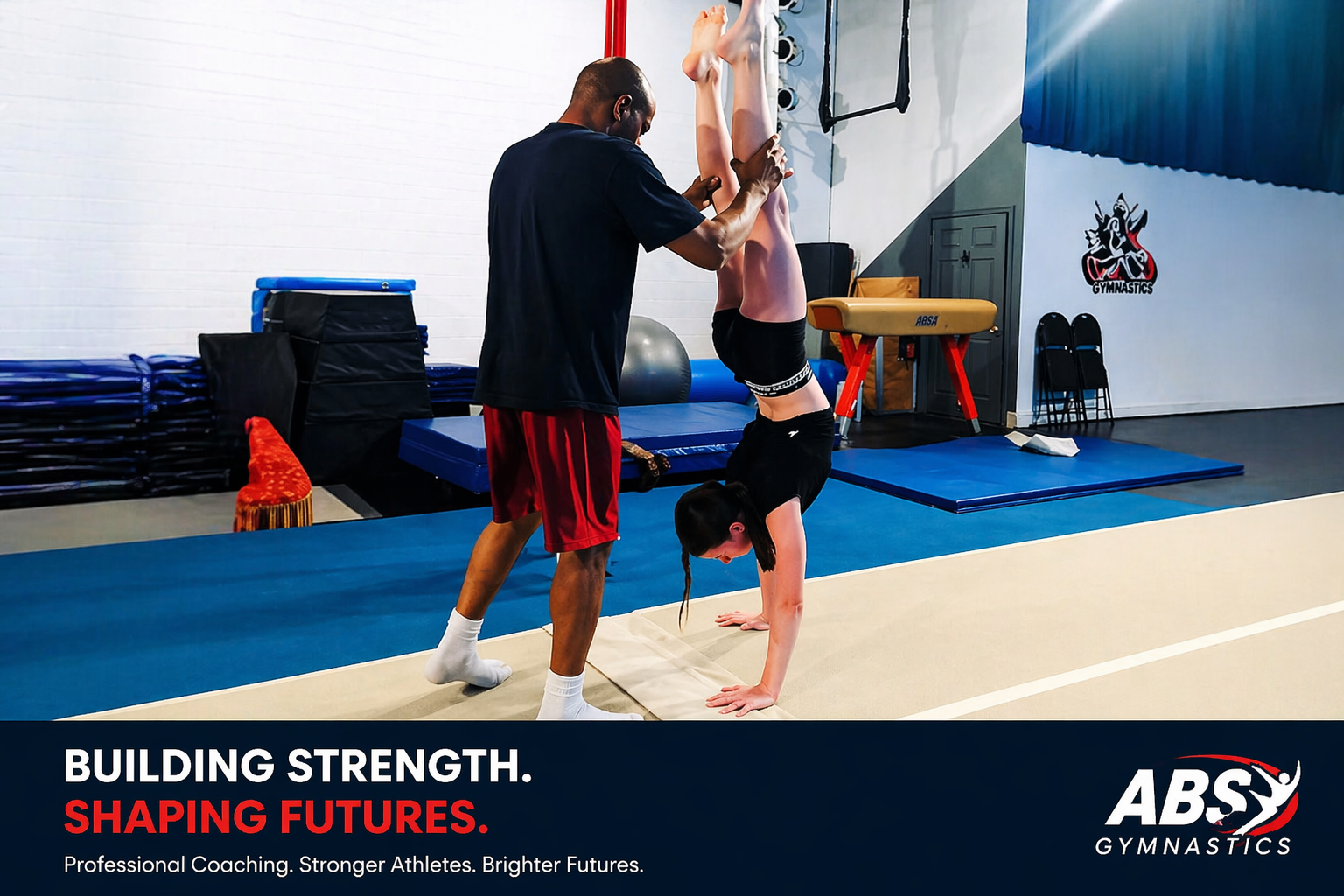
The brain and body work together during every single session. Every flip, climb, and transition asks the brain to process information fast and accurately. Children in private aerial silks lessons in Pickering learn to read where their body is in space, adjust mid-movement, and respond to physical feedback in real time. Most childhood activities simply do not ask that much of a young brain.
How Training Builds Spatial Reasoning
Spatial reasoning is the ability to picture objects and movement in three-dimensional space. And it is one of the strongest predictors of how well kids do in math and science. Here is how circus arts training builds it directly:
- Reading body position in the air during flips and rolls
- Picturing a full skill sequence before performing it
- Adjusting limb placement based on height, angle, and speed
- Tracking where the fabric or apparatus is relative to the body
Kids in private tumbling lessons in Pickering practice all of this every session. Over time, the brain just gets faster and more accurate at processing spatial information.
Sequencing: Thinking in Order
Every gymnastics and aerial routine is a sequence. Athletes link individual skills into a combination, and to do that, the brain has to plan ahead, hold multiple steps in mind at once, and execute them in order. Private aerial silks lessons in Pickering are especially good at building this skill because each climb, wrap, and drop follows a precise series of steps. Skip one and the whole move falls apart.
Here is where that transfers in real life:
- Following multi-step instructions in school
- Writing in an organized, structured way
- Breaking a big task into smaller steps
- Picking up new skills faster across different areas
Problem-Solving Under Real Pressure
In private tumbling lessons in Pickering, athletes hit moments where a skill just does not go as planned. The body reacts, the coach gives feedback, and the kid has to figure out what to change. That is active problem-solving under physical pressure. They analyze what went wrong, try a correction, and check if it worked. That is honestly just the scientific method, and it happens every single session.
This kind of active problem-solving training builds:
- The habit of self-correction instead of giving up
- Resilience when the first attempt does not work
- Calm focus when things go sideways
- Faster decisions when there is no time to overthink
Working Memory Gets Pushed Hard
Working memory is how the brain holds and uses information short-term. It is closely tied to how well kids read, do math, and follow instructions. Private aerial silks lessons in Pickering push this hard because students have to recall the full sequence of wraps, holds, and drops while actively performing each one. They cannot pause and look it up. It all has to stay in their head while their body moves.
Research on physical activity and brain development backs this up. Activities that combine coordination, sequencing, and balance produce real improvements in working memory in kids.
Focus and Handling Frustration
Circus arts training builds focus in a way passive activities cannot match. Every move on the silks or the tumbling floor demands full attention. Distractions are not just unhelpful, they are genuinely unsafe. Kids in private tumbling lessons in Pickering learn fast to block out noise, stay present, and handle frustration when a skill is not clicking. And that skill follows them out of the gym.
With regular acrobatics training, most children in the gym develop:
- Longer attention spans during school tasks
- More patience when learning something new
- The ability to handle disappointment without shutting down
- Calm and focus during tests, performances, and stressful moments
Want to See What Your Child Can Actually Do?
Our private aerial silks lessons in Pickering and private tumbling programs are built to meet each kid where they are right now. We work on the physical side and the mental side at the same time, because both matter. If you want to book a trial session and see the difference for yourself, get in touch with us today.
Frequently Asked Questions (FAQs)
Q: At what age can kids start seeing cognitive benefits from gymnastics training?
Usually around five or six. With regular training, you start to see better focus, body control, and ability to follow steps within a few months, especially when they stick with it week after week.
Q: Do private lessons produce better cognitive benefits than group classes?
Often, yes. In private sessions, your child is thinking, reacting, and problem-solving the whole time instead of waiting their turn. That steady mental engagement usually leads to faster gains in focus and skill understanding.
Q: How does aerial silks training help with focus and attention?
Aerial silks demand full attention. If a child zones out, the move falls apart. Over time, that constant need to stay present teaches them to focus longer and carry that same attention into school and homework.
Q: Can this type of training help kids with learning differences?
It can help many kids. The mix of movement, rhythm, and clear step-by-step patterns works well for some children with ADHD, dyslexia, or similar challenges, though it is not a replacement for therapy or professional support.
Q: How long before parents notice any cognitive changes?
Most parents notice small shifts after three to six months. Things like better listening, fewer reminders needed, more patience with tough tasks, and a bit more confidence when trying something new usually show up first.
Q: Is spatial reasoning actually important for school performance?
Yes. It supports math, science, design, and even reading charts and diagrams. Kids who practice spatial skills through movement often find it easier to understand shapes, angles, and visual problems in class.
Q: What makes circus arts different from regular sports for brain development?
Circus arts ask kids to remember sequences, control their body in the air, solve physical problems, and stay calm at the same time. Many sports build coordination, but this combo gives the brain a broader workout.
0 Comments