Choosing an activity for a child is about more than keeping them busy after school. Parents often look for something that develops physical skills while also helping children become more confident, focused, coordinated, and comfortable handling challenges. That is why self defense classes Pickering can appeal to families looking for structured training with benefits that extend beyond physical technique.
Martial arts and self-defense can offer a different kind of learning environment. Children work through skills progressively, practice controlled movement, and learn that improvement comes from patience and repetition. For young athletes already involved in gymnastics, dance, cheer, diving, or wrestling, these classes can also provide useful cross-training.
1. Builds Functional Physical Fitness
Martial arts training involves more than learning techniques. Children can develop strength, balance, coordination, mobility, agility, and body control through structured movement.
Rather than focusing on one physical quality, well-rounded training challenges the body in different ways. Footwork, controlled movements, changes in direction, and partner exercises can all contribute to broader physical development.
2. Develops Self-Discipline Through Practice
Progress rarely happens after one successful attempt. Children have to listen, repeat movements, correct mistakes, and keep working when a technique does not come easily.
That process can help develop patience and self-discipline. The goal is not simply to perform a movement correctly, but to understand that consistent practice is part of learning any physical skill.
3. Builds Awareness Before Physical Response
Effective self-defense is not simply about knowing how to fight. Children can learn to pay attention to their surroundings, recognize boundaries, communicate clearly, and understand when avoiding or de-escalating a situation is the better option.
This is an important distinction for parents. Good training should teach children that physical skills come with responsibility and should not be used casually or aggressively.
4. Gives Children a Clear Sense of Progress
Children often become more engaged when they can see what they are working toward. Martial arts can provide a structured progression where skills become more complex as the student develops greater control and consistency.
Milestones can give children achievable goals while reinforcing the connection between effort and improvement. The emphasis should remain on learning the foundations properly rather than rushing toward the next level.
5. Strengthens Confidence Through Capability
Confidence is more meaningful when it comes from experience. A child who learns a new movement, improves a technique, or works through a challenge has a concrete reason to feel more capable.
This can make martial arts valuable for children who need a structured environment where progress is visible. Confidence does not have to mean being the loudest or most aggressive person in the room. It can mean feeling comfortable learning something difficult and staying composed when it takes time.
6. Supports Coordination and Body Awareness
Martial arts requires children to understand where their body is, how it moves, and how different movements connect. Footwork, balance, timing, positioning, and controlled transitions all require coordination.
These qualities can also complement other activities. Gymnasts and dancers may already have strong body awareness, while cheerleaders and divers may bring experience with spatial control. Martial arts gives them another setting in which to apply and develop those abilities.
7. Offers Useful Cross-Training for Young Athletes
Children do not have to choose martial arts as their only physical activity. It can also complement an existing athletic discipline.
- Gymnasts can continue developing balance, strength, coordination, and body control.
- Dancers can apply their movement awareness and coordination to different physical patterns.
- Cheerleaders can work on controlled movement, balance, timing, and spatial awareness.
- Divers can build on their existing understanding of body positioning and coordination.
- Wrestlers can explore different approaches to timing, balance, movement, and controlled physical interaction.
- Martial artists can use additional training to broaden their understanding of awareness, movement, and practical application.
For these athletes, the value is not replacing their primary discipline. It is adding another layer of movement experience.
8. Creates a Structured Environment for Learning
Children benefit from knowing what is expected of them. A structured class provides clear instructions, progressive exercises, supervised practice, and opportunities to receive feedback.
For families considering self defense classes Pickering, this structure can be particularly important. Children need to learn physical techniques at an appropriate pace while also understanding how those skills should be applied responsibly.
A well-organized training environment gives coaches the opportunity to adjust exercises as students develop rather than expecting every child to progress in exactly the same way.
9. Builds Awareness, Boundaries, and Confidence Around Bullying
Children can learn to recognize uncomfortable situations, communicate personal boundaries, and respond calmly when someone crosses them. These skills can be useful when navigating teasing, intimidation, unwanted physical contact, or other challenging interactions.
Self-defense training should not teach children to respond to bullying with aggression. Instead, it can reinforce awareness, communication, confidence, and knowing when to seek help from a trusted adult. For parents, that distinction matters. The goal is to give children more tools for handling difficult situations responsibly, not encourage confrontation.
10. Develops Skills That Extend Beyond the Class
The benefits of structured physical training do not stop when a session ends. Children can continue developing focus, coordination, patience, confidence, and problem-solving through the process of learning new skills.
For parents comparing martial arts classes Pickering, it is worth looking beyond the techniques themselves. The better question is what the child is learning through the training process and whether the environment gives them opportunities to build skills progressively.
A Stronger Approach to Youth Training
Martial arts and self-defense do not have to be about competition or confrontation. For children, they can provide a structured way to develop physical literacy, awareness, discipline, and confidence while learning how to control their bodies and respond responsibly to challenges.
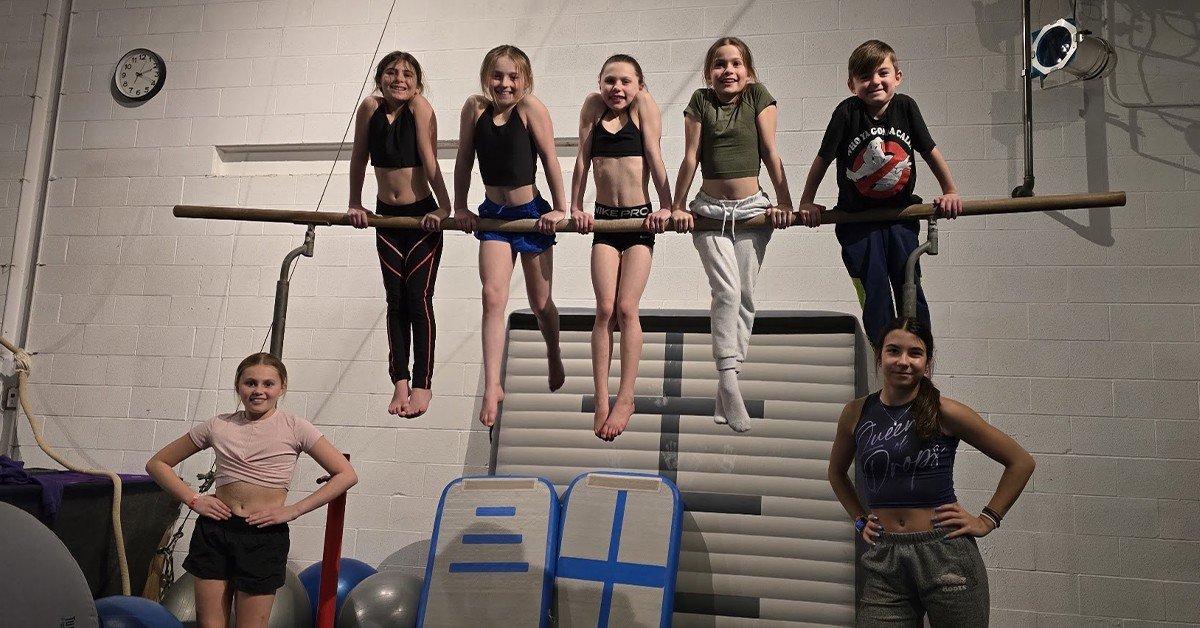
At ABS Gymnastics and Circus, self-defense and martial arts programs provide another training option for children with different interests and athletic backgrounds. Whether a child is starting a new activity or looking for cross-training alongside gymnastics, dance, cheer, diving, or wrestling, the right program should meet them at their current level and give them room to progress.
Families can explore the available programs at the Pickering facility to find a training option that fits their child's interests, experience, and development.
Frequently Asked Questions
1. What can children learn from martial arts training?
Children can develop physical qualities such as balance, coordination, strength, mobility, and body control while also practicing focus, discipline, patience, and responsible decision-making. The exact benefits depend on the training approach and the child's level of participation.
2. Is martial arts suitable for children who already play another sport?
Yes. Martial arts can provide useful cross-training for young athletes involved in gymnastics, dance, cheerleading, diving, wrestling, and other movement-based activities. It can introduce different movement patterns while reinforcing qualities such as coordination, balance, timing, and body awareness.
3. Is martial arts the same as self-defense training?
They can overlap, but the emphasis can differ. Martial arts generally follows a specific discipline and progressive technical development, while self-defense often places greater emphasis on awareness, boundaries, decision-making, and practical responses to situations.
4. Will children learn to fight other students?
Youth training should emphasize controlled, supervised practice rather than encouraging aggression. Depending on the program and level, children may participate in partner drills or other structured exercises designed to develop technique, coordination, and control.
5. Can martial arts help a child become more confident?
Progressing through physical challenges can give children opportunities to experience improvement and build confidence through capability. A supportive coaching environment can reinforce this by encouraging appropriate effort, patience, and responsible use of learned skills.
0 Comments